
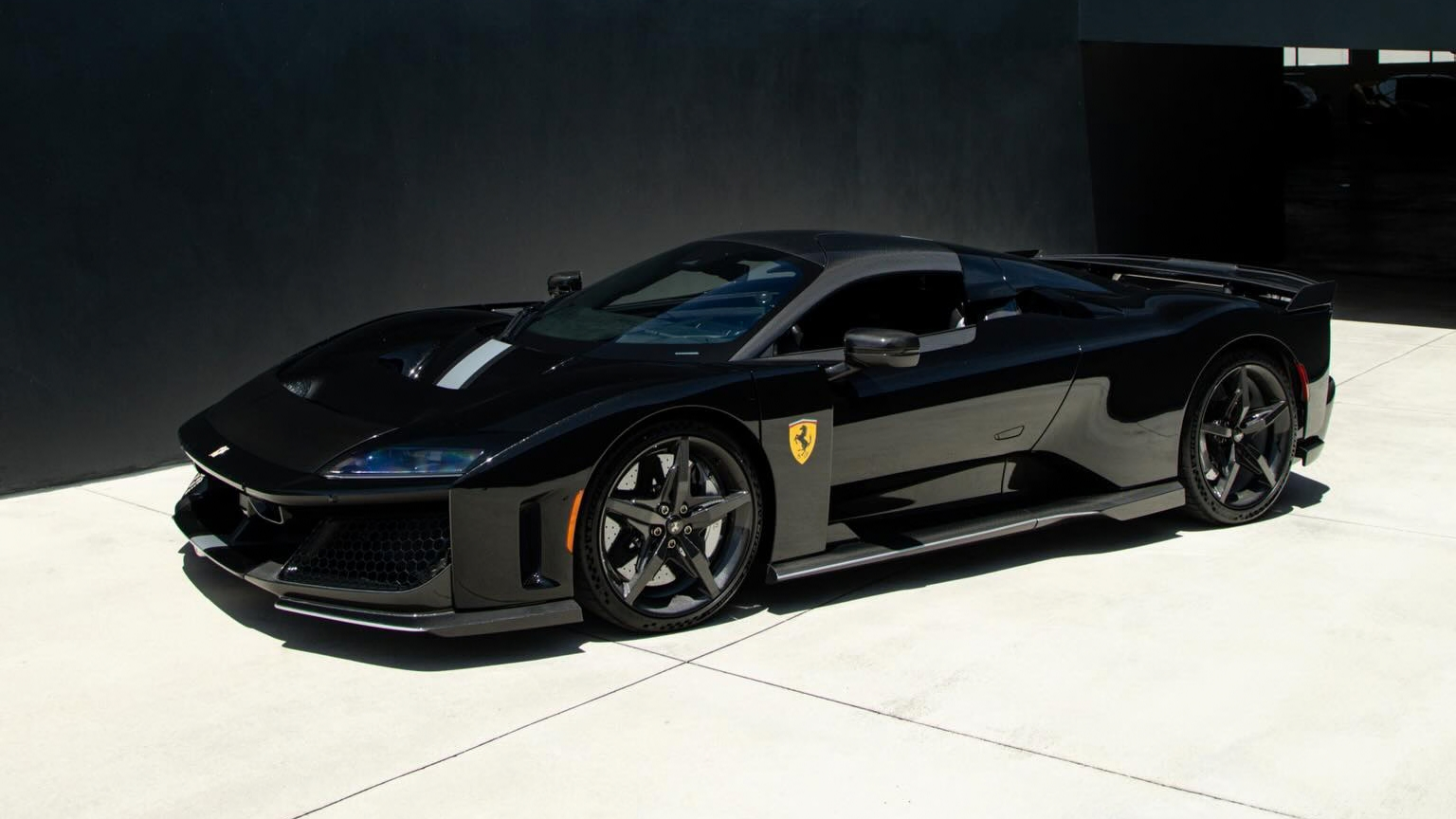
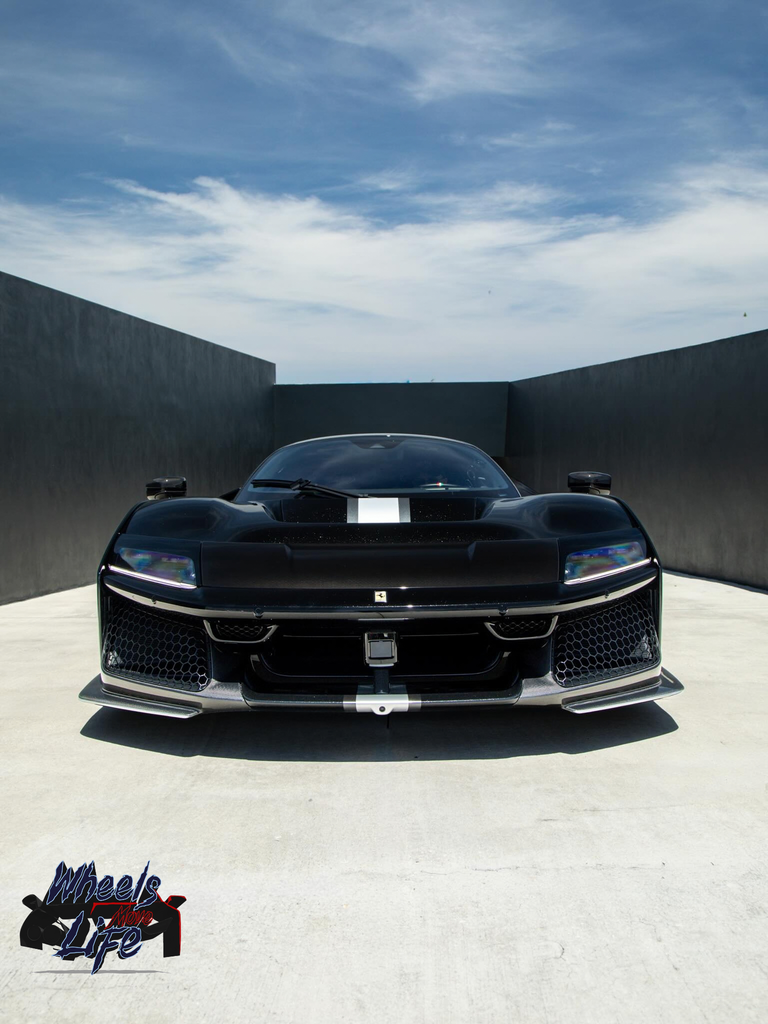
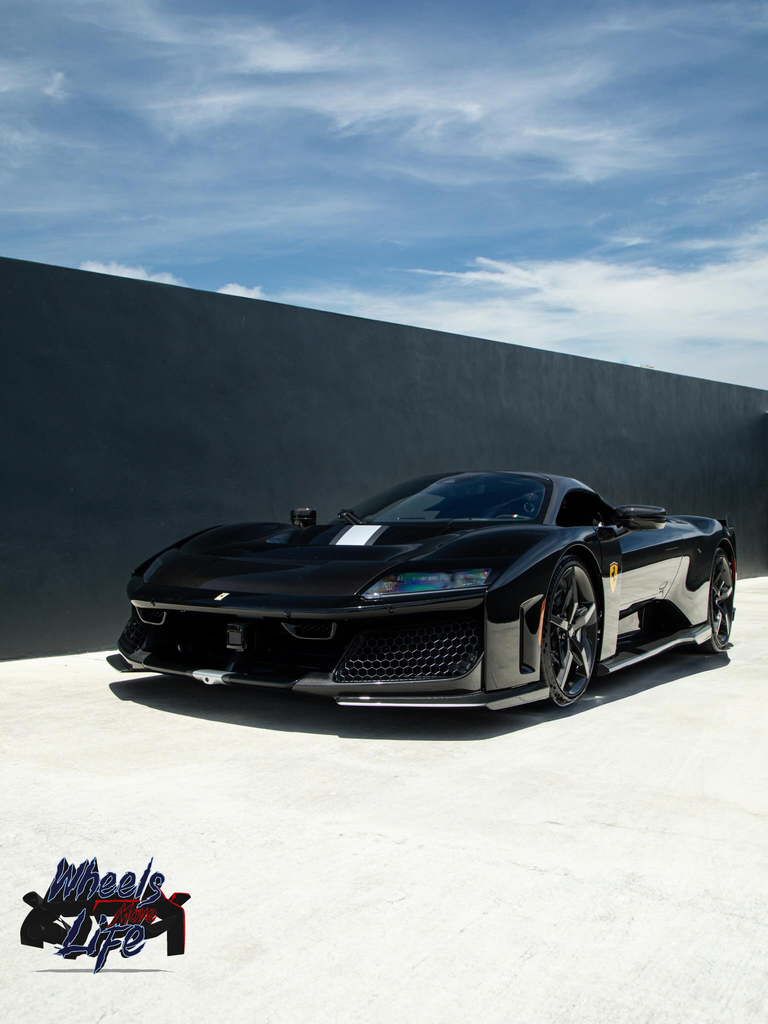
The 2026 Ferrari F80 is a staggering achievement in hybrid performance, succeeding the legendary LaFerrari with a motorsport-derived powertrain that trades traditional twelve-cylinder theater for ruthless, Le Mans-winning efficiency.
With nearly 1,200 horsepower and active aerodynamics that manipulate the air to its will, it is perhaps the most capable road car Maranello has ever produced. Yet, this $3.9 million hypercar isn’t designed for the grand touring elite; it is an uncompromising track weapon built for the enthusiast who values lap times and Formula 1 technology over daily usability.
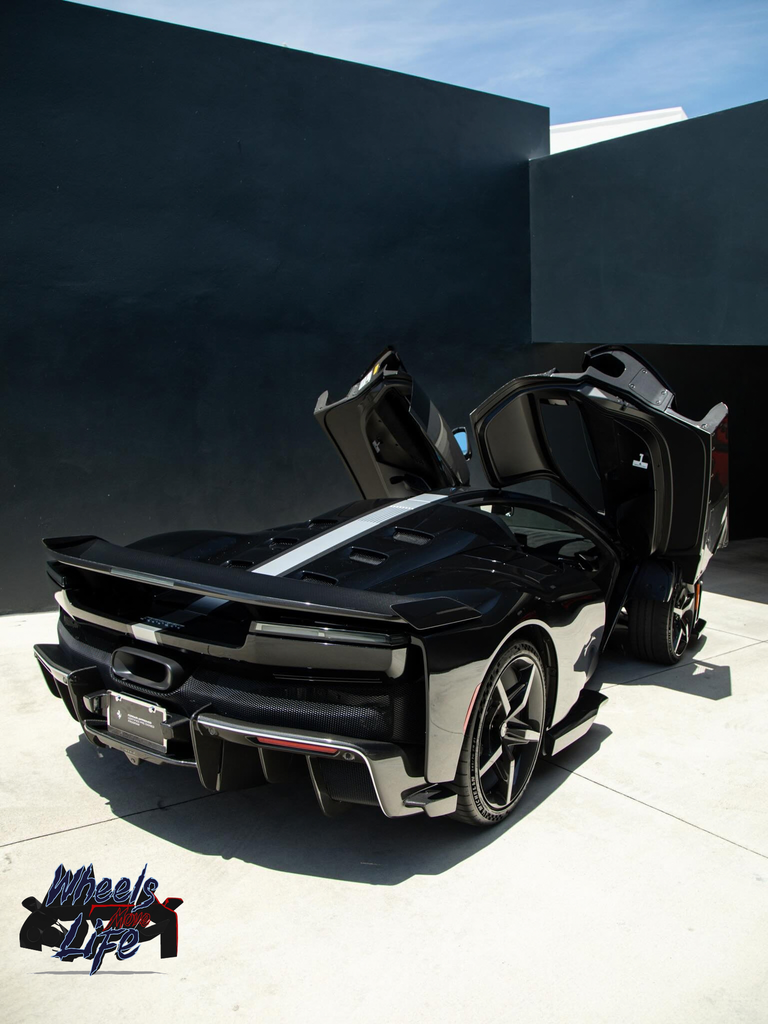
Ferrari has controversially ditched the V12 in favor of a 3.0-liter twin-turbocharged V6 paired with three electric motors. Don’t let the cylinder count fool you—this architecture is lifted directly from the 499P endurance racer that dominated Le Mans. The combined output is a seismic 1,184 horsepower. Acceleration is violent, dispatching 0 to 62 mph in a mind-bending 2.15 seconds.
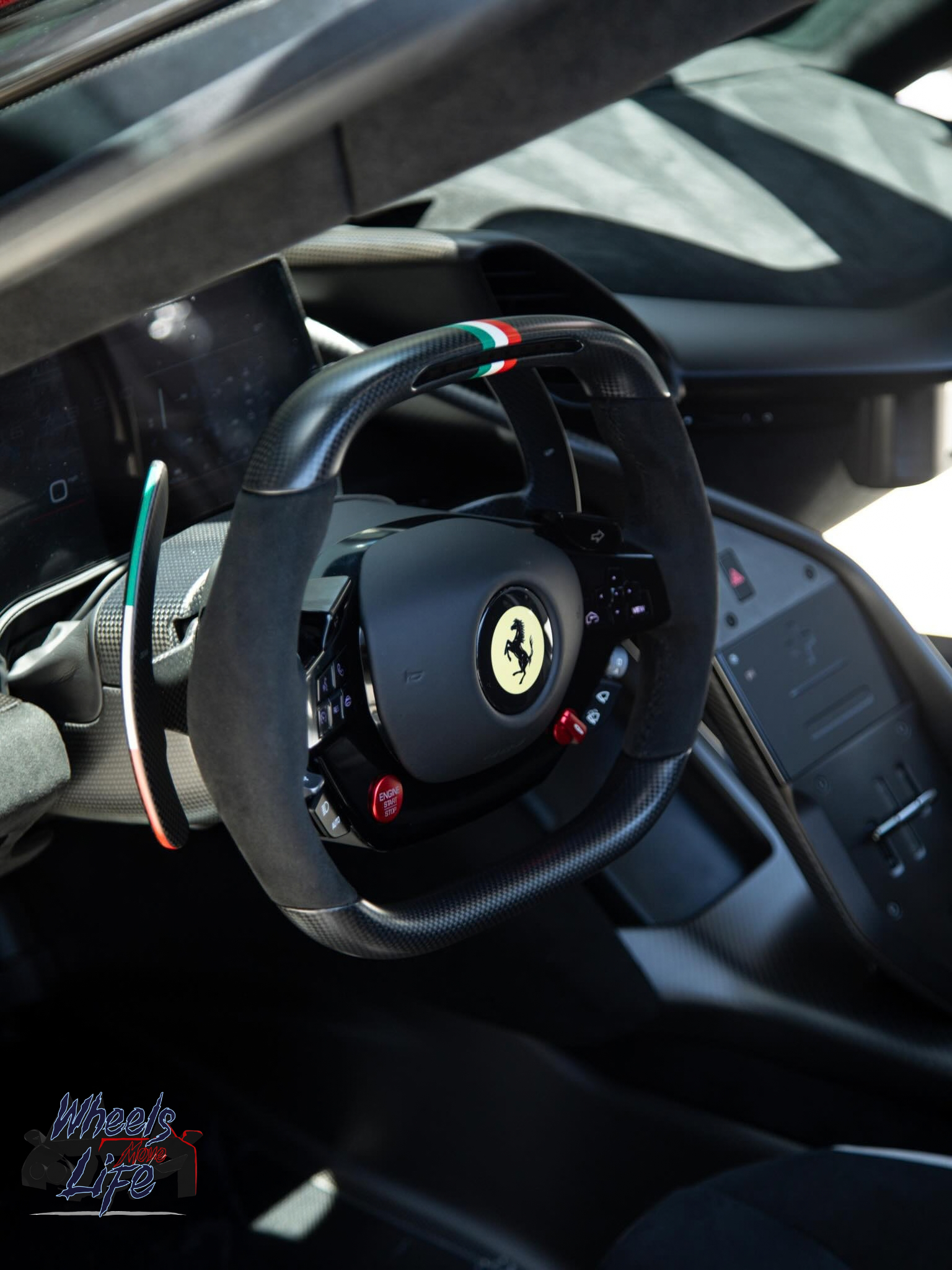
On the road, the F80’s 8-speed dual-clutch transmission fires off shifts with magical precision, delivering a thunderous crack on upshifts. The steering is eerily calm yet incredibly responsive, offering old-school feedback despite the complex e-4WD system. However, the ride quality at low speeds is stiff, and the complex powertrain occasionally stutters during sustained maximum-effort deployment on the track as it rapidly juggles electrical regeneration and boost.
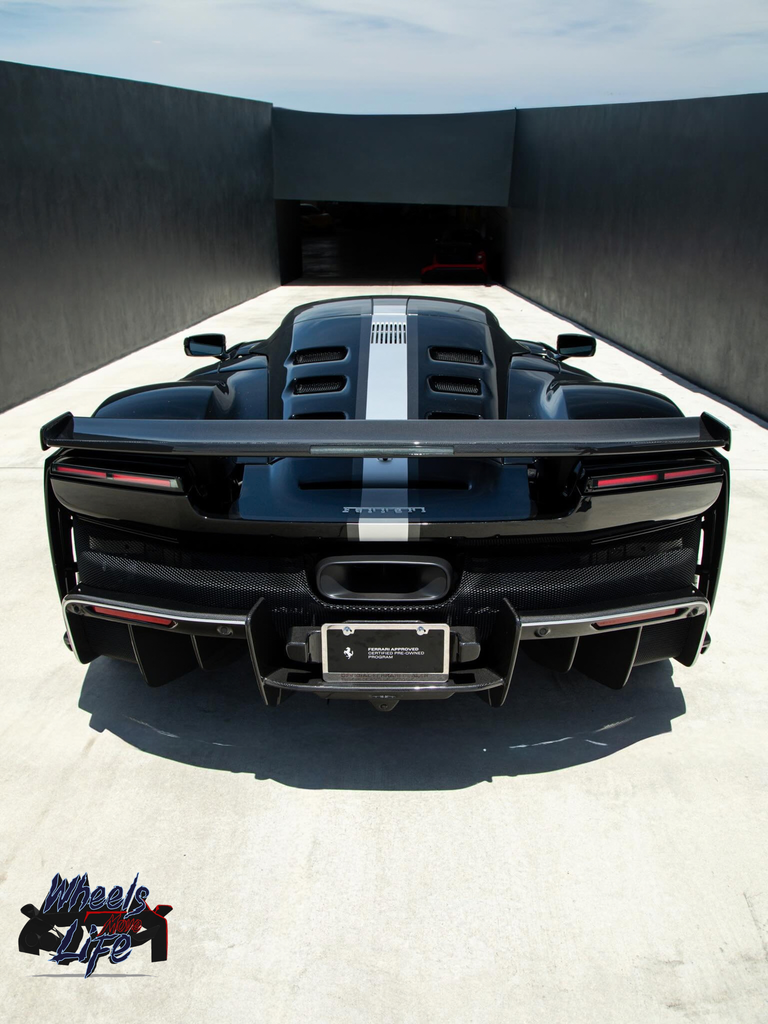
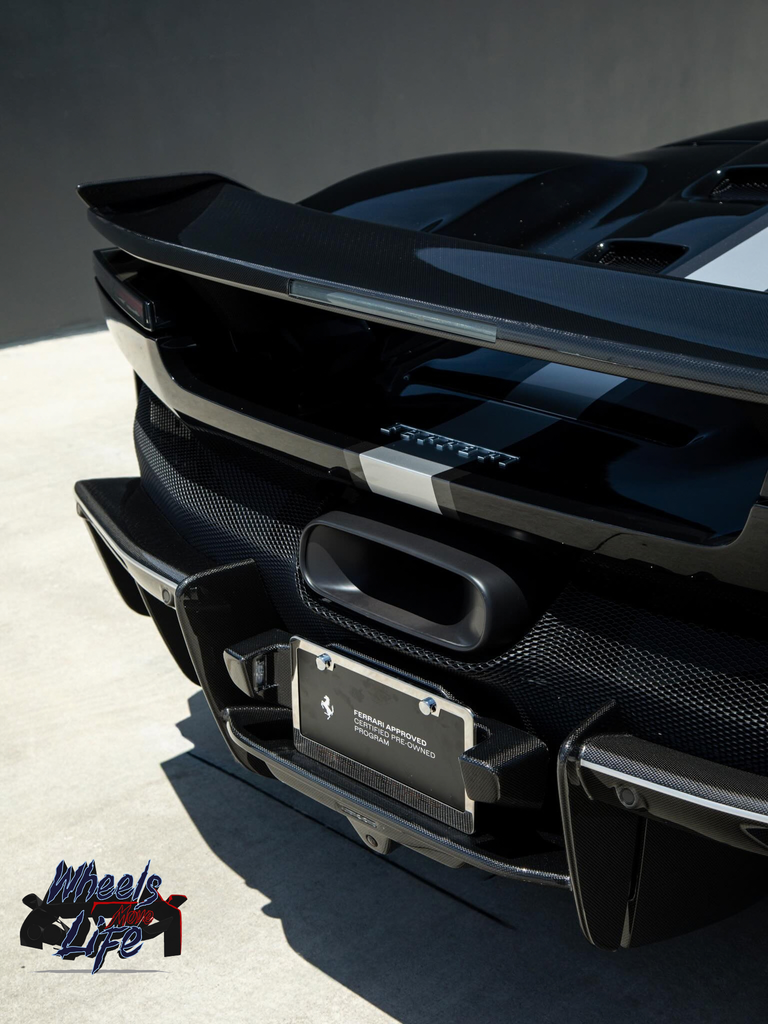
The F80 is a rolling supercomputer. Its active aerodynamic elements and 800-volt hybrid system work invisibly to keep the car planted, generating over a ton of downforce at speed. Drivers can cycle through Hybrid, Performance, and Qualifying modes via capacitive touch controls on the steering wheel, which are highly responsive and surprisingly intuitive.
However, the user interface isn’t without its physical flaws. During our midday shoot, my photo notes confirmed that the digital driver’s display showed heavy glare in direct sunlight, temporarily washing out crucial telemetry data. Additionally, while the touch pads are an improvement over the 296 GTB, the engine revs so furiously that the lack of an audible shift prompter often leads to bouncing off the rev limiter before you can visually process the tachometer.
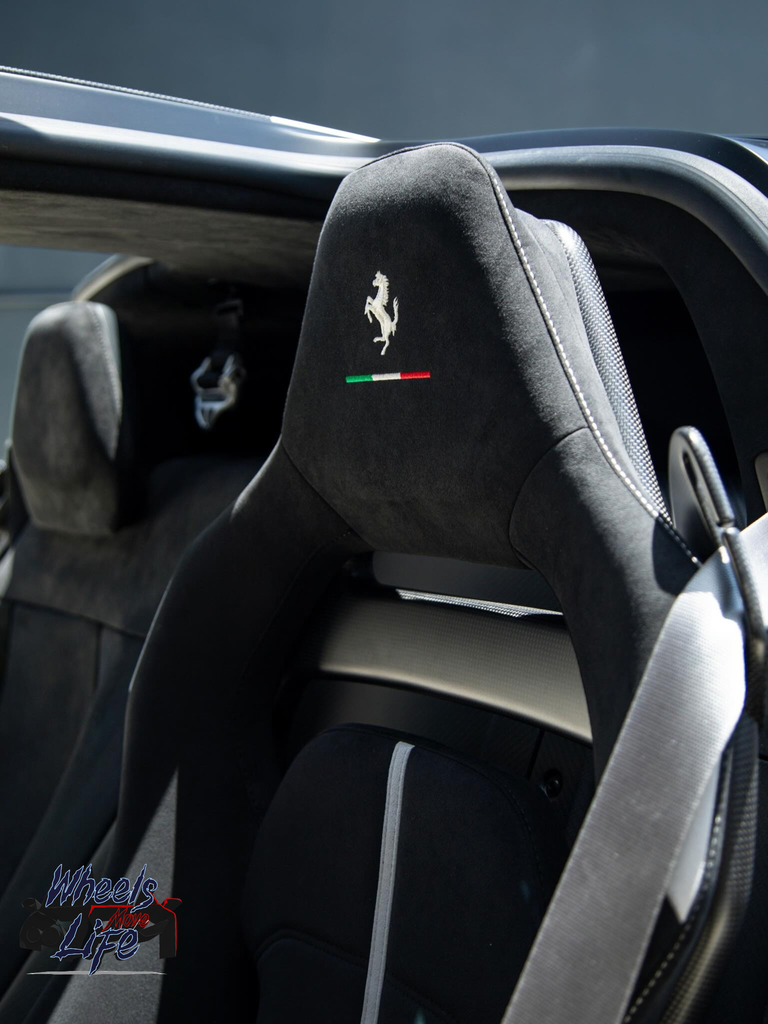
Step over the wide carbon-fiber sill, and you enter a cabin that is aggressively driver-focused. The F80 employs a staggered “1+” seating layout aimed squarely at prioritizing the pilot.
The driver’s carbon-fiber bucket is wrapped in Alcantara and perfectly positioned for visibility and control. In stark contrast, the passenger seat is molded directly into the carbon tub and pushed slightly rearward. Based on my observations from the passenger side, the legroom is uncomfortably tight for taller passengers, making long journeys a chore.
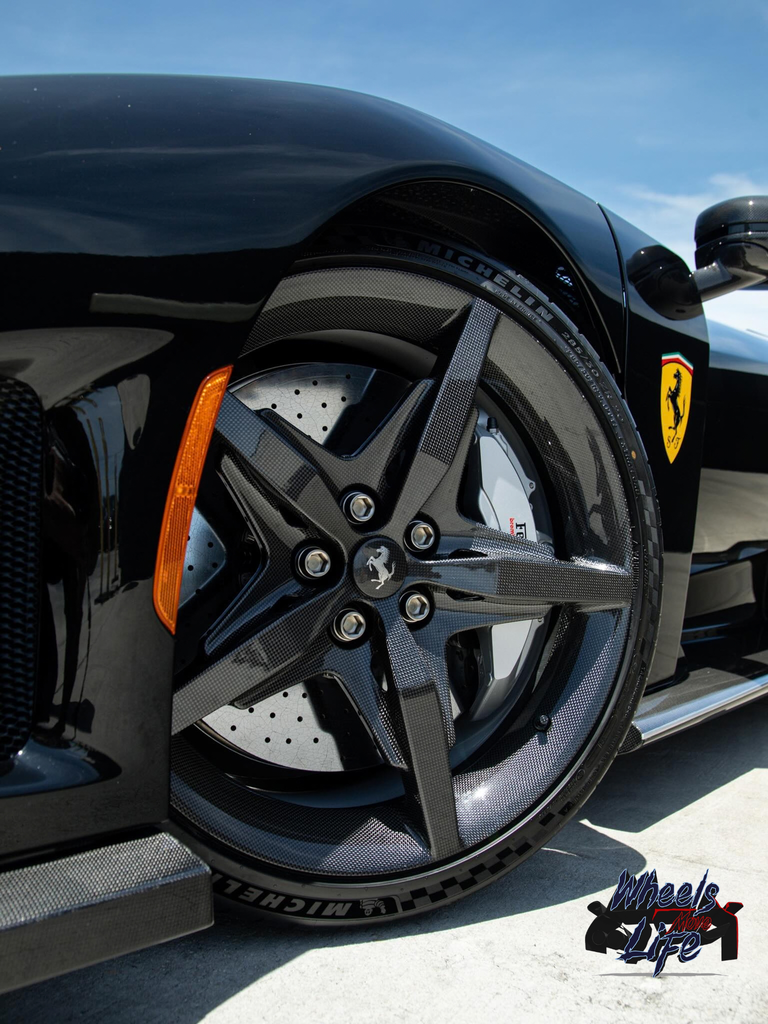
Ferrari has kept the center console minimalistic. While massive touchscreens dominate most modern cars, Ferrari wisely retained select tactile elements.
The physical Manettino dial and climate control switches on the console felt impressively premium and tactile, offering a satisfying mechanical click that you simply don’t get from glass screens. As for real-world cargo capacity? It is practically nonexistent—pack nothing larger than a toothbrush.
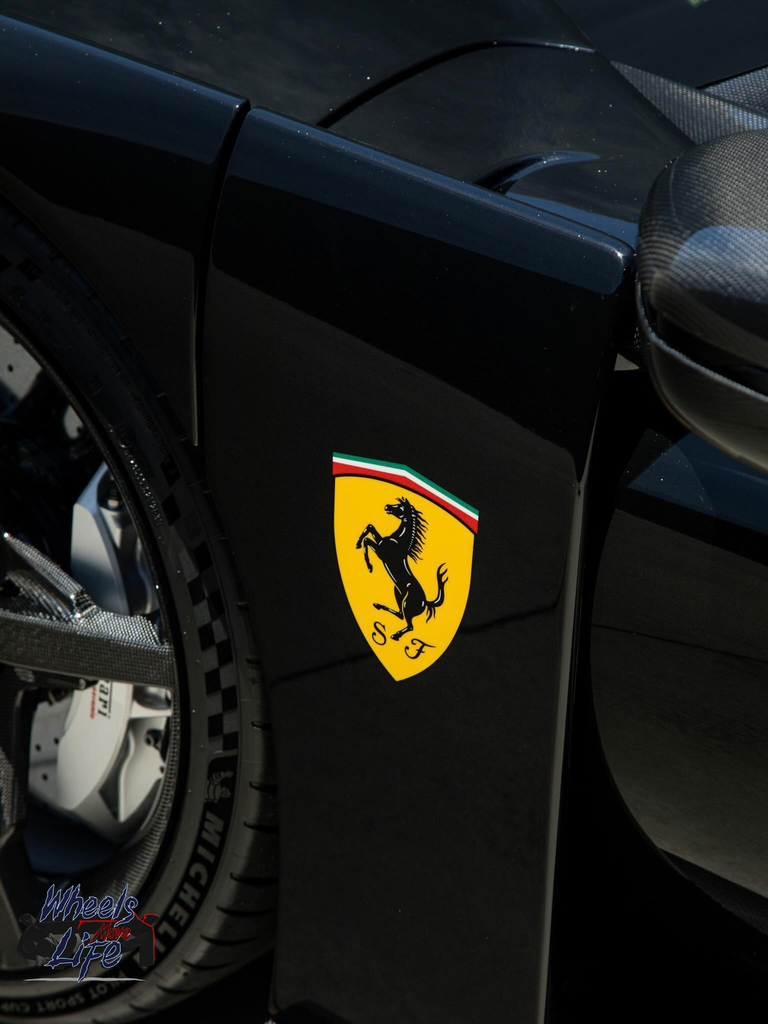
Priced at a starting MSRP of roughly $3.9 million, the F80 sits in the absolute stratosphere of automotive pricing.
Good luck buying one at retail, though—all 799 units were fully allocated to VIP clients long before the car was even revealed, with secondary market projections already swelling past $6 million.
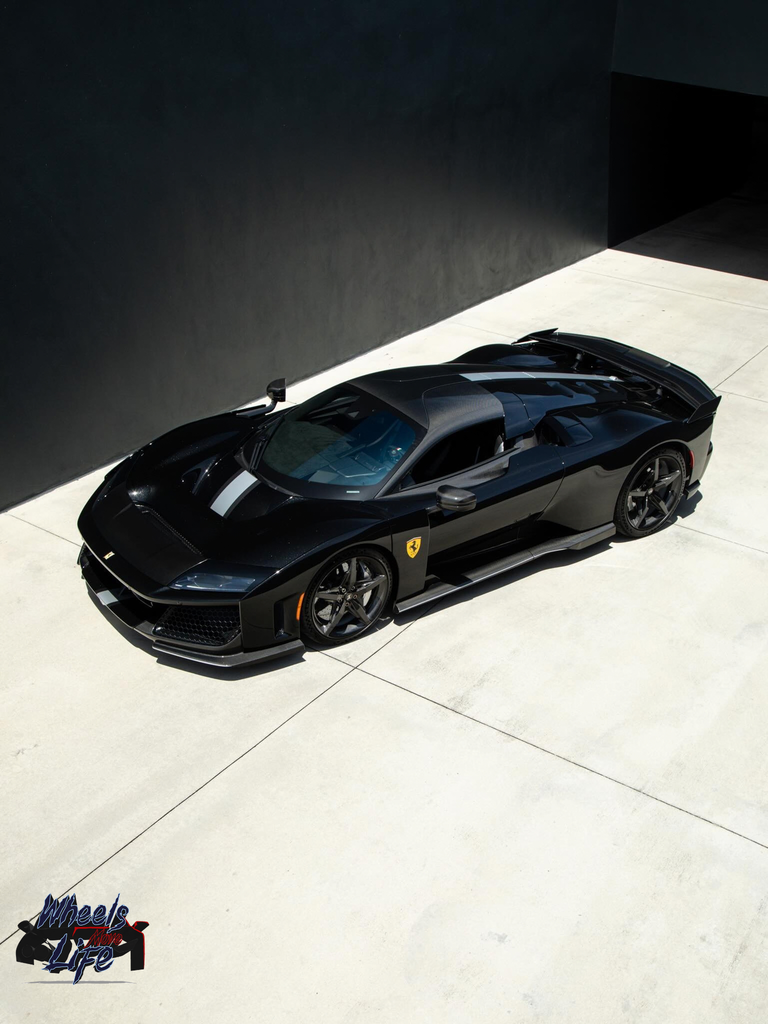
For the immense price, you get an extraordinarily advanced hypercar, but efficiency isn’t its strong suit. Despite the hybrid system, estimated real-world fuel economy hovers around a dismal 14 mpg combined.
When compared to upcoming halo rivals like the McLaren W1 or the Aston Martin Valkyrie, the Ferrari F80 remains highly competitive in performance but commands a massive premium strictly for the Prancing Horse badge.
WML© | 2026